
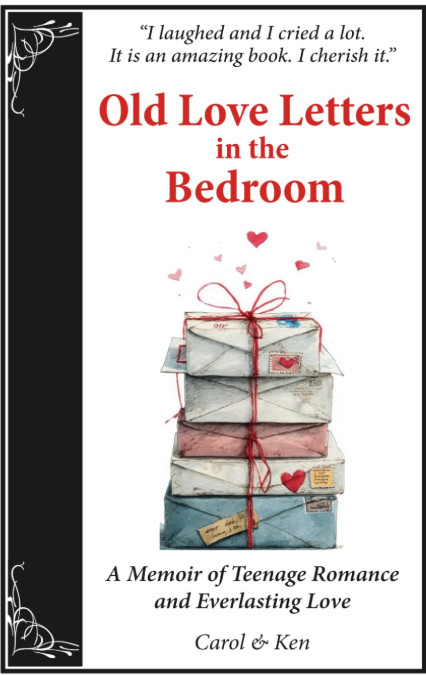
In the quiet suburbs of Illinois in 1959, a shy, pimple-faced teenager named Ken Albert met a tall, blond nursing student named Carol Vavruska at a church youth group. What began as an awkward first grew into a five-year courtship sustained by near-daily letters once college separated them. By the time they married in 1964, their bond had already been tested by distance, academic struggles, and youthful uncertainty. Over the next six decades, it would face far greater trials and still refuse to break.
Carol became a dedicated hospital nurse who spent more than thirty years at the bedside of the sick and dying, repeatedly declining promotions so she could remain close to patients. Ken reinvented himself from a struggling engineering student into a successful author and publisher. Together they raised two sons, moved across the country, collected memories in fifteen thick scrapbooks, and filled a box with hundreds of love letters still sealed in their original envelopes. Their ordinary days—bike rides, family fishing trips, shared jokes, quiet evenings—formed the sturdy foundation of a marriage that felt both everyday and extraordinary.
That foundation was shaken in the early 2000s when Carol was diagnosed with an aggressive form of breast cancer. For thirteen years, the disease advanced relentlessly, spreading first to her liver and later to her bones. Chemotherapy became almost continuous. Pain, exhaustion, and the slow erosion of her body marked the final decade. Yet Carol met the ordeal with the same quiet competence she had shown as a nurse. She remained upbeat, concerned more for Ken’s future loneliness than for her own suffering, and continued teaching the caregivers who attended her. Ken stayed at her side through every treatment, every setback, and the decision to stop aggressive care so she could die at home, in their master bedroom, as they had planned.
When Carol died on June 13, 2015, Ken was left in a house suddenly full of triggers—a shopping list she had written, the sound of her voice still on her cell phone, the empty side of their bed. Grief was raw and constant. In the months that followed, he opened the box of old letters and the scrapbooks labeled “Dating to Marriage.” Reading them brought both tears and the first fragile smiles. Writing her obituary himself, then beginning the longer work of telling their full story, became an act of both mourning and preservation.
The marriage that had survived teenage awkwardness, long separations, career pressures, and a thirteen-year cancer battle now survived death itself through memory. Ken’s near-fatal illness while writing the book only deepened his resolve to finish it. The finished memoir stands as living proof that some unions are not ended by illness or heartbreak. They are simply transformed—into letters that still say “I love you,” into a shared headstone that promises a hand held in heaven, and into a story that continues to speak long after one voice has fallen silent.
Read the book that is a homage to such love; grab your copy of Old Love Letters in the Bedroom.